Cataract Services
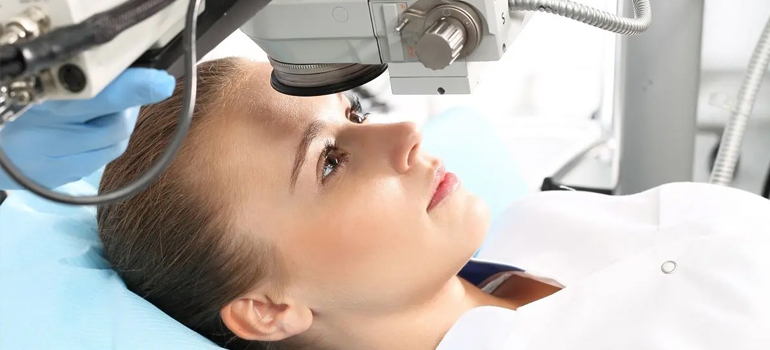
Conventional cataract surgery demands a large incision followed by suturing leading to slow visual recovery. The new technique of Phacoemulsification being sutureless brings down the incision size to 2.8mm leading to immediate visual recovery. Use of foldable and multifocal IOL's with aid of micro incision cataract surgery has further improved the visual recovery time, as well as the patients comfort level during the post operative period. The surgery is done under topical anesthesia with no injection and no suture technique.
Risk factors:
These factors can increase the likelihood of developing cataracts
- Smoking
- Obesity.
- Aging.
- Diabetes.
- High blood pressure.
- Steroid medication.
- Steroid medication.
- Family History.
Types of cataract:
Senile cataract:
Senile cataract is by far the most common type of cataract. Senile cataract can be compared to getting wrinkles and turning grey. Due to an aging population, this type of cataract is on the increase.
Congenital Cataract:
Babies are sometimes born with cataracts as a result of an infection, injury, or poor development before they were born, or they may develop during childhood.
Secondary cataract:
Medical conditions like diabetes, or exposure to toxic substances, certain drugs, ultraviolet light, or radiation.
Traumatic cataract:
These form after injury to the eye. Other factors that can increase a person’s risk of developing cataracts include cigarette smoke, air pollution, and heavy alcohol consumption.